What Does It Look Like to Be A Product Manager?
The key characteristics of a product manager in high tech

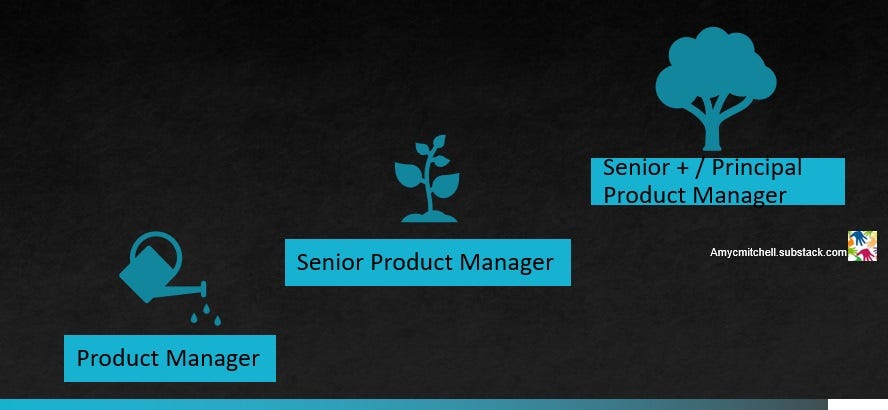
What does the job of a product manager look like? Is it entry-level product management? Usually not. Product managers are the foundation of a successful product. Product managers contribute directly to the success of their product with a blend of execution and rapid learning.
At a start-up, product managers carry out defined strategies by working cross-functionally to hit a product objective. They are a bridge between engineering and business functions for their domain of the product.
In larger organizations, they drive a well-defined feature or a functional aspect of their product with help from one or more product leaders.
While senior product leaders are focused on vision, strategy and business outcomes, product managers handle important product details that matter to customers. They learn from on-the-job experience while contributing to the execution of the product strategy.
Let's discuss the key characteristics of product managers.
Hands-on Execution
Product managers execute detailed and important tasks in their domain. They organize and consolidate requirements into priorities for development teams. They build working relationships that give them insights into each function. Their inside knowledge of the cross-functional teams contributes to their results in execution.
The product managers on the team are key to the product release cycle. They drive product documentation and raw marketing content on the release. They support the program management team in tracking dependencies and heading off product risks.
They further enhance their results by working closely with senior product managers. They increase their contribution by seeing product challenges up close and how the senior product managers respond to those challenges.
On the Job Learning
Product managers learn in three directions:
Product users and their environment: learn about the pain points that their product covers
Product team: learn about the history and roles of the cross-functional teams
Product: learn the business and technical aspects of their product
They learn incrementally from reading, asking questions, and taking courses. They form a point of view as they learn their product. They share their learning to help the product team grow with them.
Execution of Strategies
They run with defined strategies and often make significant discoveries as they go. As they execute the strategy, they work closely with senior product managers in adapting to their findings. The strategies they are pursuing are unique product needs that can be solved in multiple ways. They investigate the potential solutions and review trade-offs with senior product managers.
Data Analysis
They spend time with different sources of product data such as customer incidents, user experience data, business analytics, and customer satisfaction metrics. They review their findings and get feedback from experienced product team members. They use their findings in forming their point of view, prioritization decisions, and learning more about their product.
Team Collaboration
The product managers facilitate workflows across the product team. In fast-paced product teams, the product managers have early information on new features. They are in the best position to ensure the affected product team members know enough to contribute at the right time.
Time Management Skills Building
Product managers have several projects underway with deadlines. They establish systems to manage their time. They organize data relating to their product, their market, and their product features. They are resourceful in leveraging their accumulated data. They learn to keep momentum on their projects until completion.

Conclusion - Building Skills On The Job
Product managers are uniquely positioned to learn new skills for the benefit of the whole product team. They discover product insights and share their learning cross-functionally. Successful product managers execute product strategies while building their product muscles with their product team.
Discussion about this post