New offers. Launches celebrated. Stakeholders aligned behind your product work. On paper, you hit your milestones. It was a good year.
But when you look at the numbers or join sales calls, something feels off.
The product isn’t really moving. Sales keeps asking questions. And you’re dismayed that what you know about the product never quite made it to the frontline teams trying to sell it.
You start asking yourself:
Do I need to focus on go-to-market next year instead of launches?
It’s a familiar dilemma for product managers at every level. Should you keep driving delivery, or step back and help the product actually sell?
You’ve put real energy into your product work. You pushed engineering for customer needs. You convinced stakeholders the feature was ready. You prepared launch materials that clearly explained what you built. You answered every pre-launch question marketing sent your way.
At the same time, you know the reality:
Product marketing is understaffed and focused on amplifying launches
Sales is under pressure to turn interest into real revenue
The GTM motion from the last launch still isn’t working
So pushing out another launch feels risky.
It’s tempting to think: Maybe I should just help GTM for a while. After all, your time is already being pulled into sales support.
But stepping away from delivery entirely is its own risk:
You are the strongest driver of progress with the product team
You don’t own the full marketing or demand strategy
You can’t reach sales or customers at scale on your own
You lose future launch moments that create attention
The real problem isn’t choosing between launches or GTM.
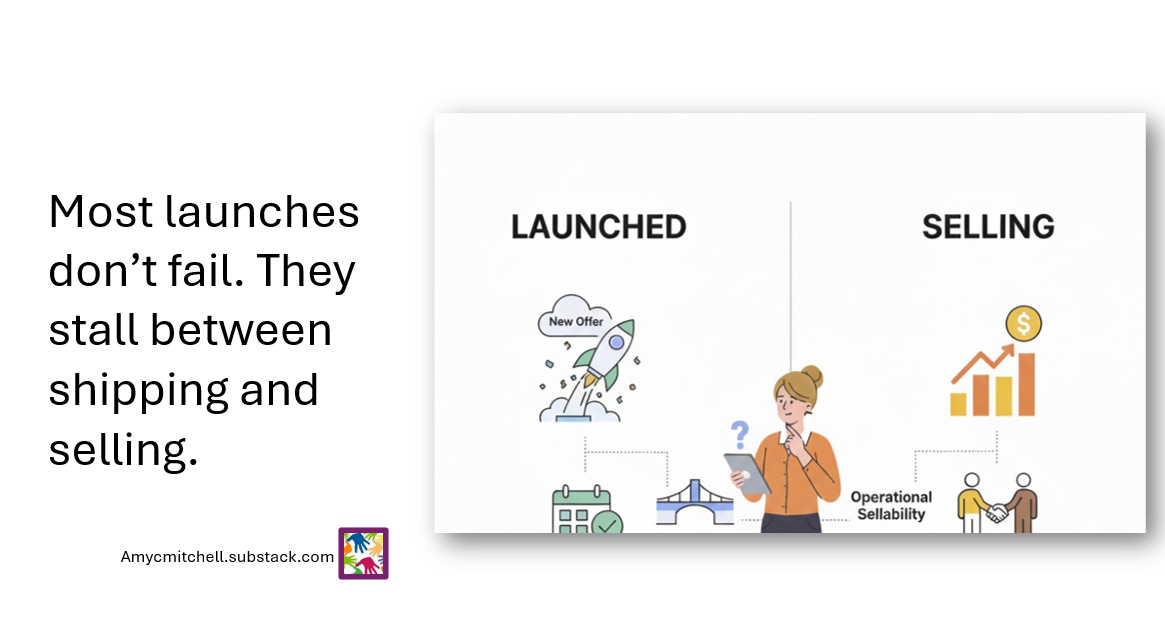
It’s that launches are being treated as “done” too early.
Introducing operational sellability
Instead of choosing delivery or GTM, there’s a third path.
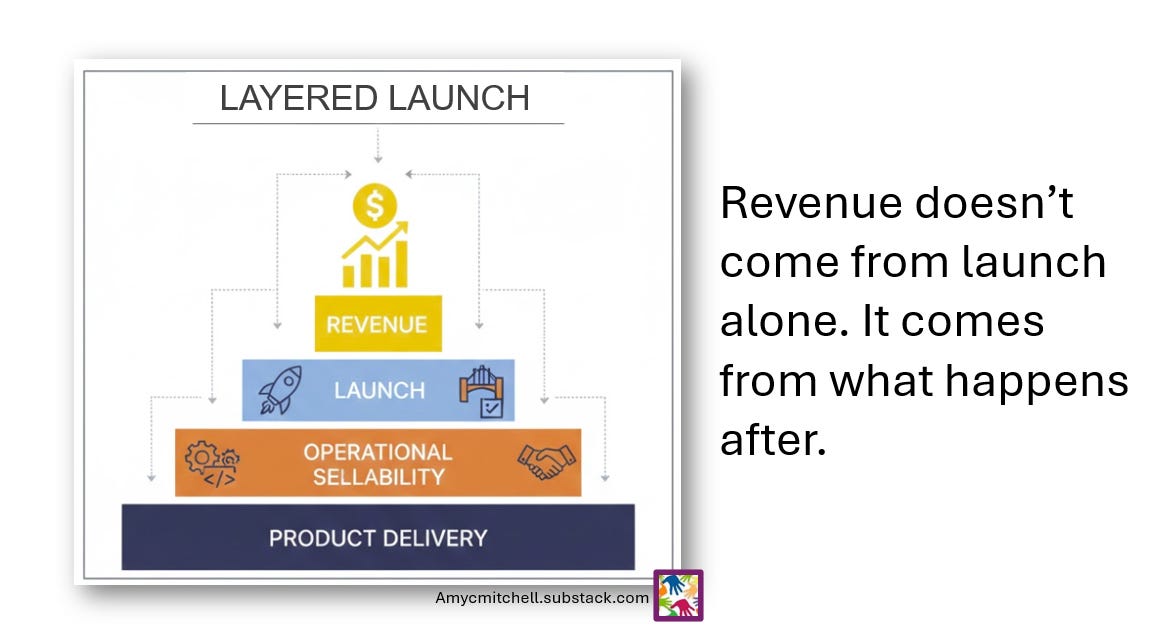
Operational sellability is ensuring an offer can be consistently sold and delivered without the product manager in the room.
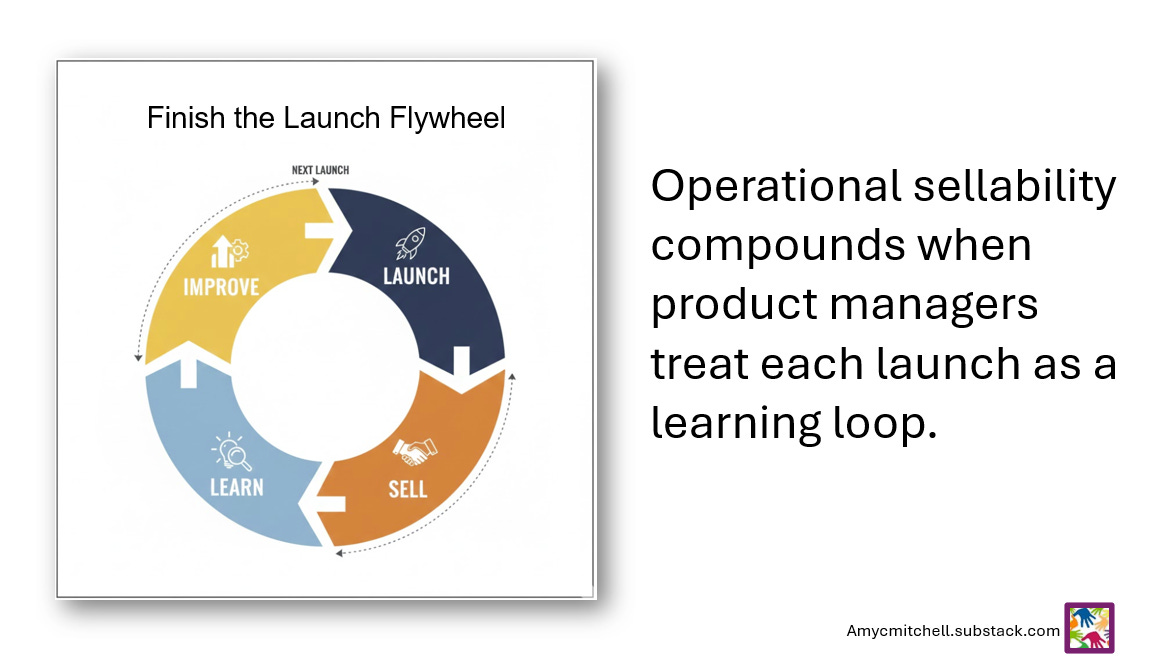
It’s not a one-time GTM task. It’s something product managers continuously learn and improve as they finish launches.
Operational sellability sits inside your launch work. It’s the layer that translates what you built into something sales can confidently explain, qualify, configure, and defend.
What’s actually happening after launch
Think back to the questions that showed up after your last launch:
What is included with this SKU?
A prospect has a unique requirement. Can you talk to them?
A competitor is cheaper. How do we save this deal?
Is this compliant with GDPR, HIPAA, SOC 2?
Can you help configure the product while the sales engineer is out?
What do we do with a prospect who doesn’t meet qualification criteria?
These questions are time-consuming. And they often land on you.
But they don’t mean GTM is broken.
They’re signals that the launch didn’t fully resolve how the product gets sold in real conditions.
That gap is unfinished product work, not a failure of marketing or sales.
Your product has multiple dimensions: technical, user-facing, commercial, and operational.
Operational sellability needs its own attention during launch preparation because it requires you to think through the sales motion step by step.
Just as you consider engineering and marketing audiences, you can also ask:
What does a salesperson need to confidently sell this feature?
Looking at your product through a sales lens reveals operational sellability gaps that are otherwise easy to miss.
Those gaps won’t be closed by abandoning launches and “doing GTM instead.”
They’re closed by finishing launches differently.
How to finish launches differently (with the same effort)
The good news: you’re already generating most of the raw material for operational sellability.
Small shifts in how you capture and reuse that information can get it into the hands of GTM teams before the launch.
Finishing the launch is how product managers support GTM without switching roles
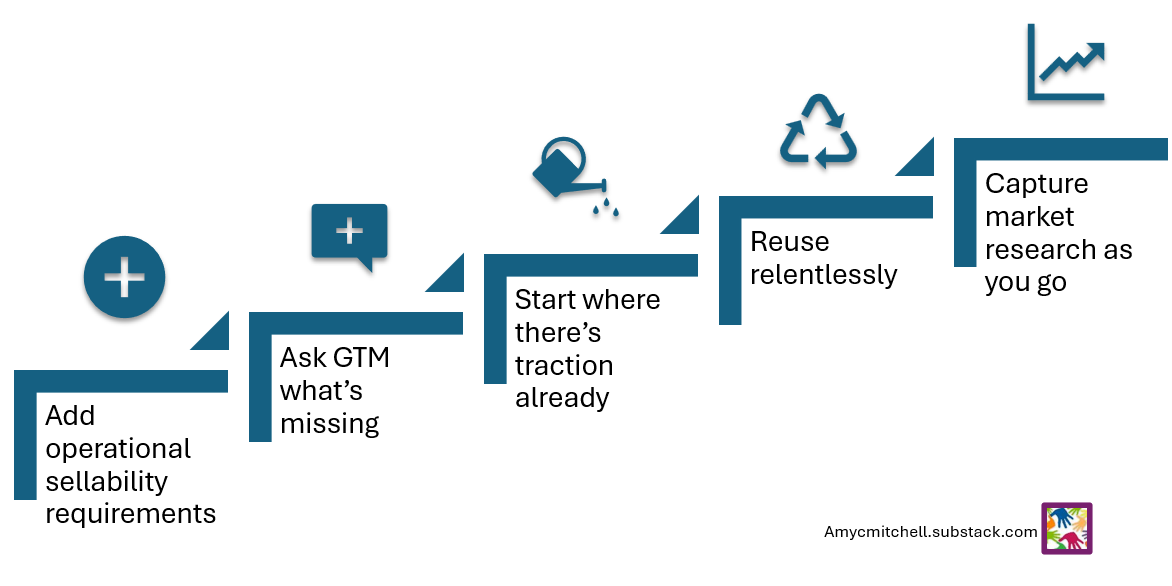
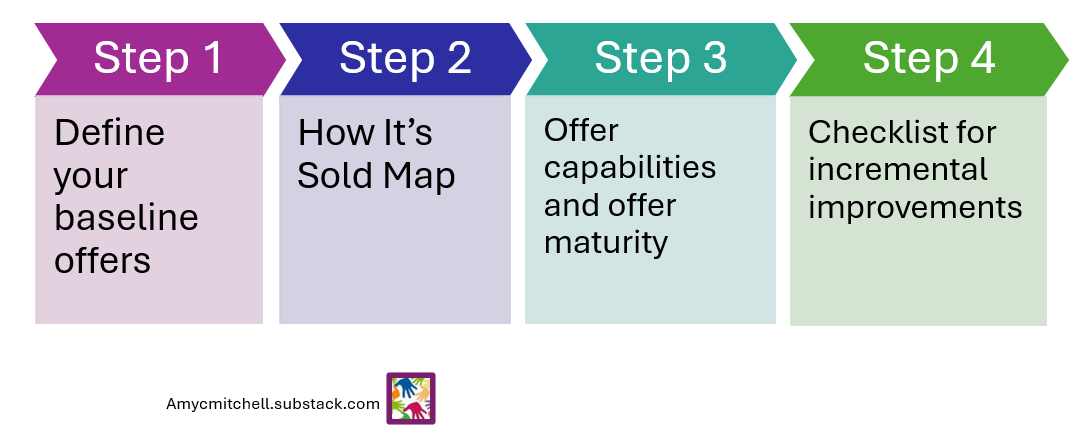
1. Add operational sellability requirements
Track requirements that go beyond engineering delivery. These might feel informal, and that’s fine. They’re primarily for the product team to prioritize what sales will need.
2. Ask GTM what’s missing
Common operational sellability needs include:
A fast way to find product documents
A 1–2 page sales card covering:
Signs that a customer needs this product
Core use cases
How to win
Objection handling
Other common needs including pricing, ordering guidance and compensation context
Some requests will take longer. Add them to the backlog and let demand justify the investment.
An added benefit: you create a natural way to share progress updates and “what’s changed” summaries that GTM can circulate. That feedback loop compounds.
3. Start where there’s already traction
Don’t begin with edge-case features. Align your first operational sellability improvements to where GTM is already focused and where revenue pressure exists.
4. Reuse relentlessly
If one person asks a question, others will too. Answer it once, capture the context, and reuse it in your next launch.
5. Capture market research as you go
Keep a private working file for future launches. Pull useful insights from market analyst reports instead of letting them fade:
Market growth and forecasts to explain urgency
Competitive differentiators for selling and renewals
Customer spend data to support total cost conversations
Customer pressures to support objection handling
These shifts don’t increase effort. They redirect it.
Here’s the operational sellability checklist I use to finish launches and spot where work continues after ship.
When you focus on operational sellability, you connect business reality directly to product decisions.
Each launch builds trust. Sales becomes more independent. You spend less time in reactive support and more time on meaningful product work.
Operational sellability isn’t extra GTM work.
It’s how launches keep paying off after the announcement.
Closing the gap without burning out
If you’re questioning whether to choose between GTM and launches, you’re not behind.
You’re noticing the part of product work that usually goes unnamed.
It’s to finish the work in a way that keeps paying off.
If you want to go deeper, I’ve created a paid resource that connects operational sellability across offer definition, getting to revenue, monetization, and maturity.
It’s for product managers who want to understand not just where gaps appear, but which ones matter most at different stages.
Insightful, the real problem isn't that GTM asks for what they need, the flywheel wasn't completed.
PMs never establish a structured feedback loop to quantify which sales questions appear repeatedly across deals. As a result edge use cases are sold which aren't repeatable and friction starts during implementation.


Insightful, the real problem isn't that GTM asks for what they need, the flywheel wasn't completed.
PMs never establish a structured feedback loop to quantify which sales questions appear repeatedly across deals. As a result edge use cases are sold which aren't repeatable and friction starts during implementation.
Great article. I will forward it to myself for the new year!